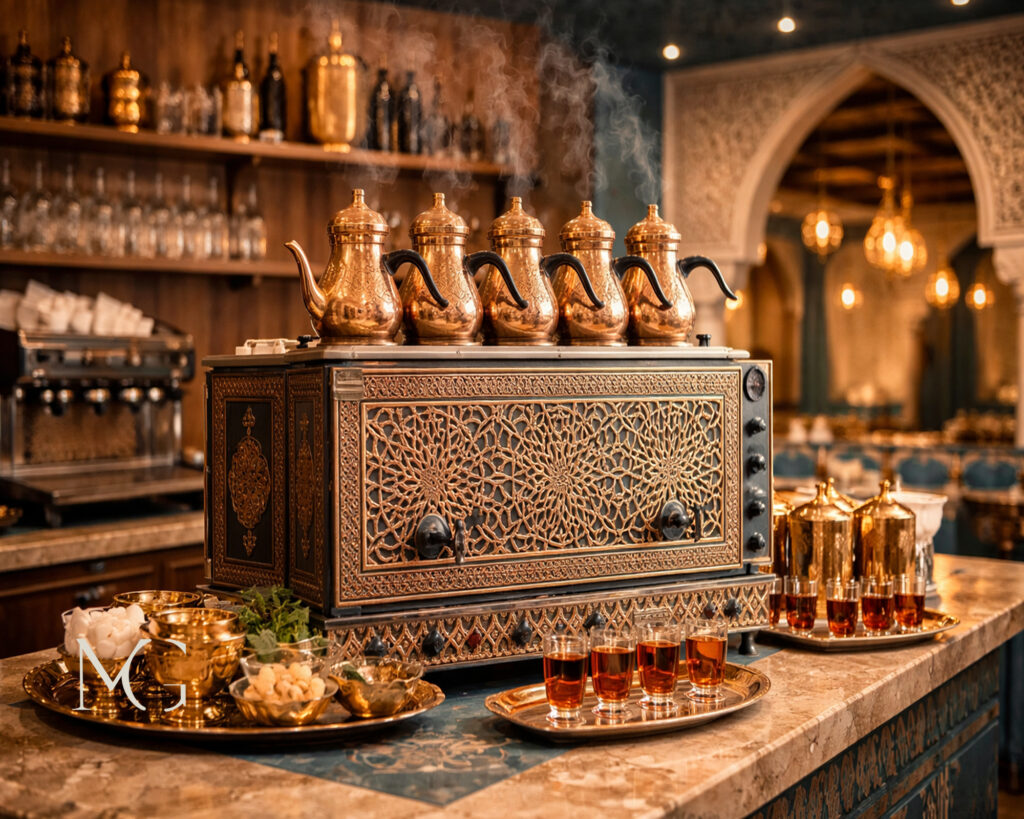
Tea: History, Culture, and Modern Equipment
Tea is one of the most popular beverages in the world. Throughout history, tea has played an important cultural and social role in many societies. This article explores the global history of tea, tea culture in Iran and the Arab world, and modern tea-making equipment used today in hotels, restaurants, and cafés.
The History of Tea Around the World
The origin of tea dates back nearly 5,000 years in China. According to legend, the Chinese emperor Shennong discovered tea when leaves from a wild tea plant accidentally fell into boiling water. Tea was initially consumed as a herbal remedy before gradually becoming a daily beverage.
From China, tea culture spread to Japan and later to India and other parts of Asia. In Japan, tea evolved into a refined ceremonial practice known for its precision and artistic presentation. In India, tea became widely popular in the form of Masala Chai, prepared with milk and aromatic spices, and it soon became an essential part of everyday life.
By the 17th century, tea reached Europe, where countries such as England and the Netherlands embraced it as a fashionable drink among aristocrats and high society. British tea culture, including the famous afternoon tea served with milk and biscuits, became a symbol of elegance and hospitality.
This global journey shows that tea is not just a beverage; it represents culture, tradition, and social connection.
Tea Culture in the Arab World
Tea also holds an important place in many Arab countries, particularly in the Middle East and North Africa. Over centuries, tea became a central element of hospitality and social gatherings.
In countries such as Morocco, tea is traditionally prepared using Moroccan tea pots and served in small glasses, often flavored with fresh mint and sugar. Moroccan mint tea is considered a symbol of generosity and respect toward guests.
In the Gulf region—including the UAE, Saudi Arabia, and Oman—tea is commonly served alongside Arabic coffee during gatherings, family visits, and business meetings. Black tea and spiced tea are particularly popular, and the presentation of tea often reflects the host’s attention to hospitality and tradition.
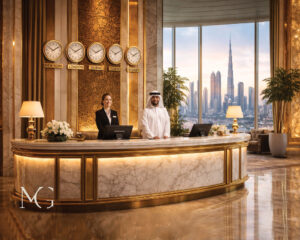
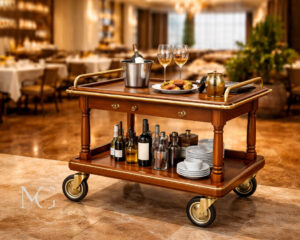
Because hospitality is deeply rooted in Arab culture, serving high-quality tea remains an important part of the guest experience in hotels, majlis gatherings, restaurants, and cafés.
Tea Culture and Tradition in Iran
Tea has been an important part of Iranian culture for centuries. It became widely known in Iran through trade and cultural exchange and eventually became a central element of everyday life and hospitality.
One of the most iconic tools used in Iranian tea preparation is the samovar, traditionally heated with charcoal. The samovar allows tea to brew slowly and evenly, producing a rich flavor and aroma. Tea is commonly served to guests alongside sweets, dates, or traditional desserts, making it a symbol of warmth and welcome.
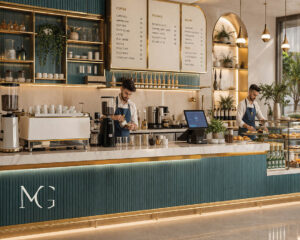
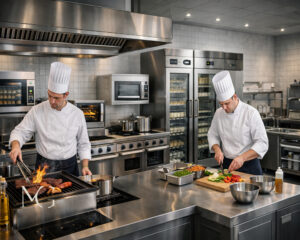
With technological advancements, modern tea-making equipment has gradually complemented traditional methods. Today, electric tea makers and professional tea brewing systems are widely used in hotels, restaurants, and cafés to deliver consistent quality and efficient service.
For businesses in the hospitality industry, serving high-quality tea has become an important part of the overall guest experience.
Modern Tea Makers and Equipment for Hotels and Restaurants
Professional tea service today requires reliable and efficient equipment. Several types of tea makers are commonly used in hospitality environments:
•Single-pot tea makers – ideal for preparing tea quickly for individual service.
•Double-pot and triple-pot tea makers – allow multiple teapots to brew simultaneously, making them perfect for hotels, restaurants, and cafés.
•Moroccan tea makers and Moroccan samovars – elegant traditional designs used for Moroccan tea service, adding a luxurious visual appeal to tea presentation.
•Turkish tea makers – specifically designed for preparing traditional Turkish tea with a rich aroma and flavor.
•Boilers – an essential component of professional tea systems that provide fast and consistent boiling water.
Using modern tea equipment not only preserves the quality and flavor of tea but also enhances the service experience for customers. For restaurants, hotels, and cafés, durable and professional equipment is essential for maintaining high service standards.
Conclusion
Tea has evolved from a traditional Chinese herbal drink into a global cultural symbol. Across the Middle East, including Iran and many Arab countries, tea is closely connected to hospitality, social gatherings, and tradition.
Today, professional tools such as single-pot, double-pot, and triple-pot tea makers, as well as Moroccan and Turkish tea systems, allow hotels and restaurants to offer a refined and high-quality tea experience to their guests.
Mirzaee Hotel Equipment Group is a trusted supplier and importer of Moroccan and Turkish samovars and professional tea makers. The company provides high-quality and durable tea service equipment for hotels, restaurants, and cafés.
If you are looking for reliable tea makers and professional tea service equipment, Mirzaee Hotel Equipment Group offers an ideal solution for the hospitality industry in the Middle East, including the UAE, Saudi Arabia, and Oman.